
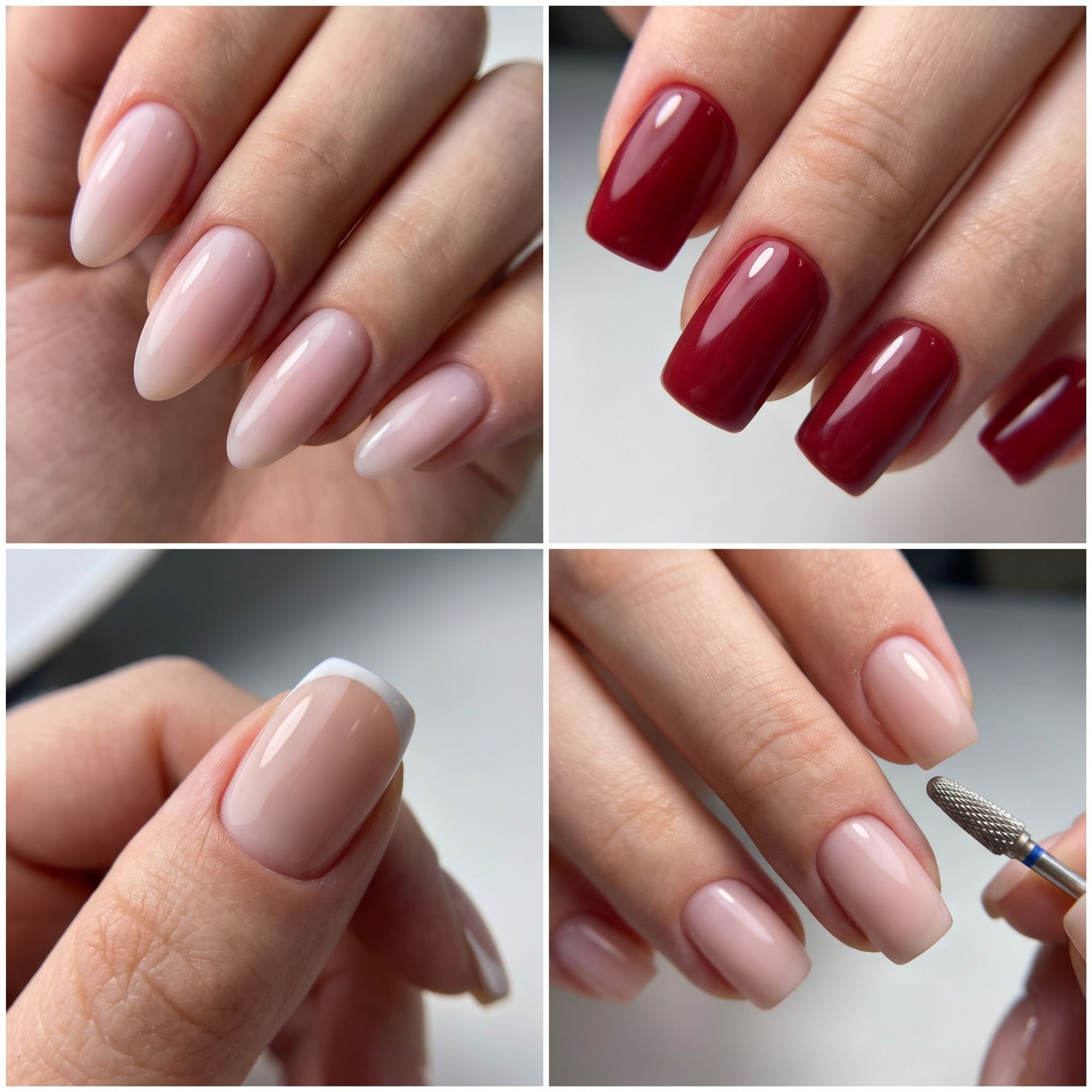
A Russian manicure is a dry manicure in which the hands are not soaked and metal clippers are not used, but rather an electric nail file, or "e-file", is used to remove the skin and dead cuticle tissue around the nail. It's recognized for clean and tidy edges and gel that can last as long as 3–6 weeks. It's more expensive in the UK than a gel manicure and dermatologists say it can actually cause infection if it's done incorrectly and the cuticles are poking through. It's not at all about the colour or the design. Russian" refers to the method used to make the nails.
In an ordinary manicure your hands get soaked, the cuticles are pushed back and loose skin is snipped away. In a Russian manicure there's no water at all. The technician lifts and removes the skin around and under the edge of the nail with an electric file that has small bits. It's also referred to as a dry manicure, e-file manicure or a "combi" manicure, as it typically combines e-file work with hand tools.
The payoff is a very tidy finish. The skin is stripped, and gel can be applied right up to the edge, resulting in a more streamlined look for the nails and a manicure that may even grow out without a break in the line.
Cuticle or eponychium? It matters
Most guides skip this, and it's the heart of the safety argument.
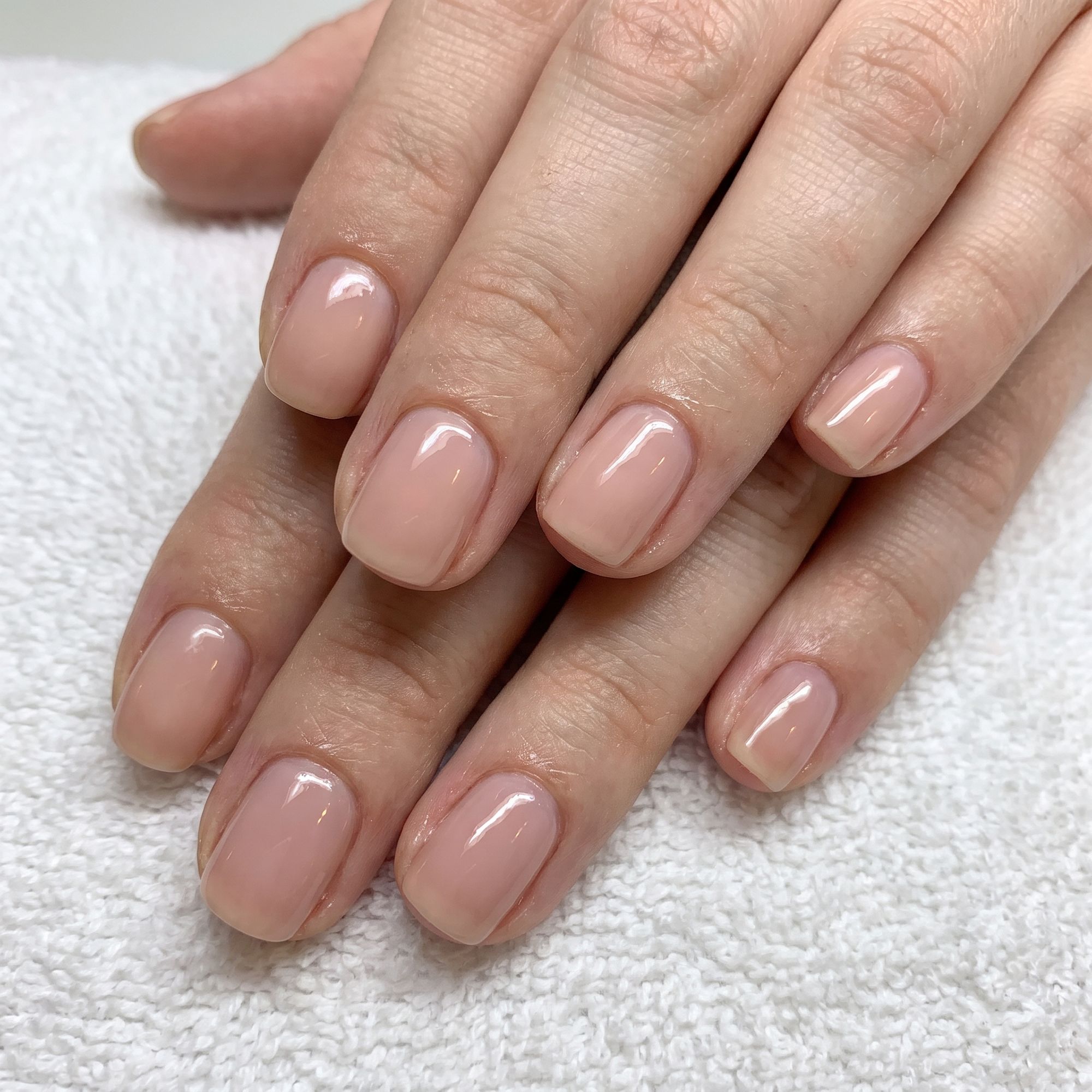
The cuticle is a thin layer of dead skin clinging to the nail plate, and clearing the loose, dead bit is normal. The eponychium is different. That's the living skin at the base of the nail where it meets your finger, and it forms a seal that helps protect the spot where new nail grows.
Fans say a good technician only takes off dead tissue and leaves living skin alone. Critics point out that how deep the work goes is down to whoever's holding the e-file, which is why the technician matters so much.
What the appointment looks like
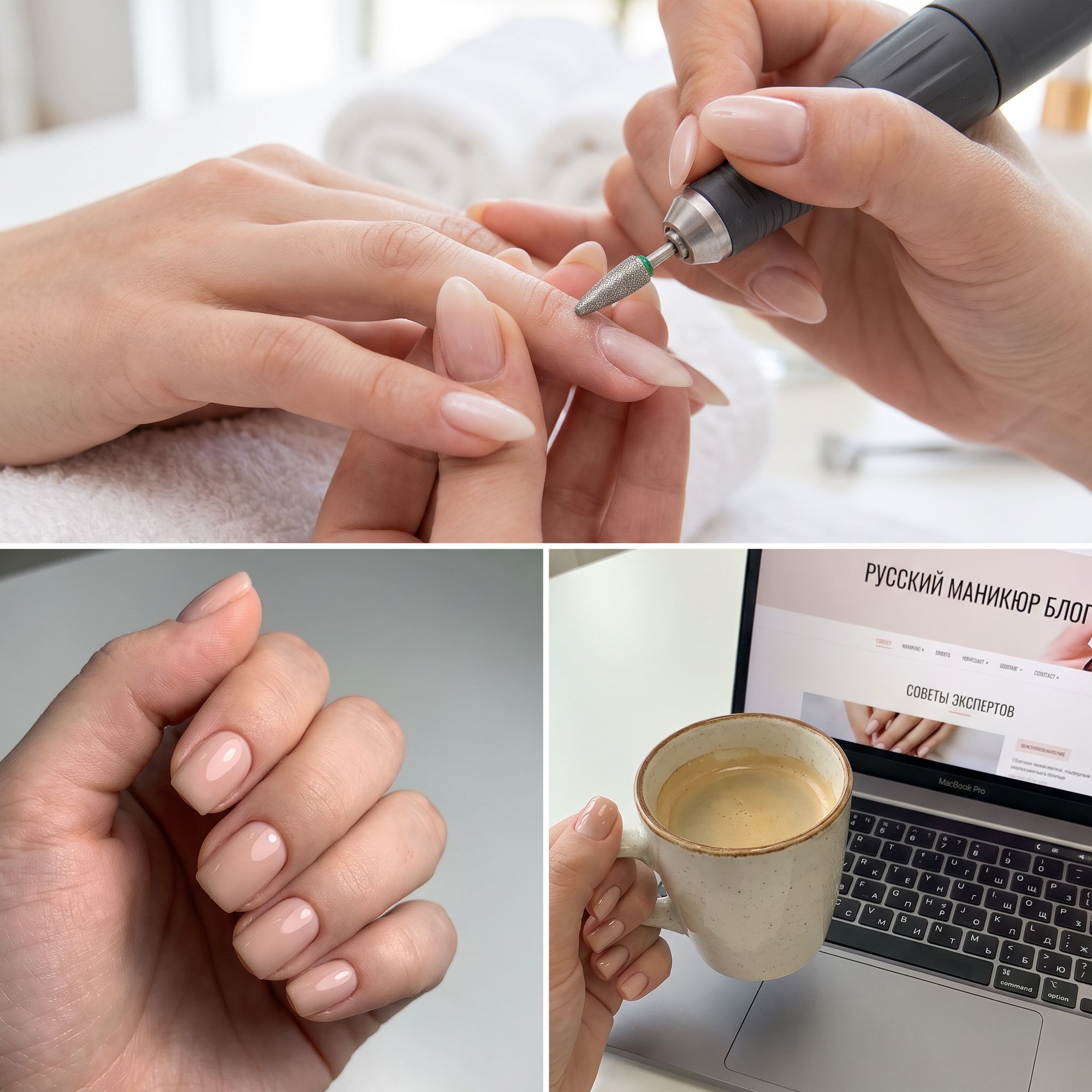
Every tech does it a bit differently, but expect a chat about your nails and skin first, then dry prep with no soaking. The nails are shaped and lightly buffed, then comes the e-file work around the nail fold, sometimes finished with scissors or nippers. Dust and oils get wiped away, then a base, colour and top coat of gel, each cured under a lamp. Cuticle oil and a hand massage usually finish it off. Because it's detailed work, plan on 60 to 90 minutes or more, depending on the design.
What it costs in the UK
| Service | Typical price |
|---|---|
| Standard UK manicure | around £30 to £50 (one UK guide) |
| UK Russian manicure | around £45 to £75 (same guide) |
| US comparison | $65 to $180 including gel, per one US guide |
Treat those as a rough guide, not a price list. Someone charging a lot is usually offering longer appointments, nail art or very experienced work. A bargain price should make you wonder what's being skipped, whether that's proper training, sterilised tools or enough time.
How long does it last?
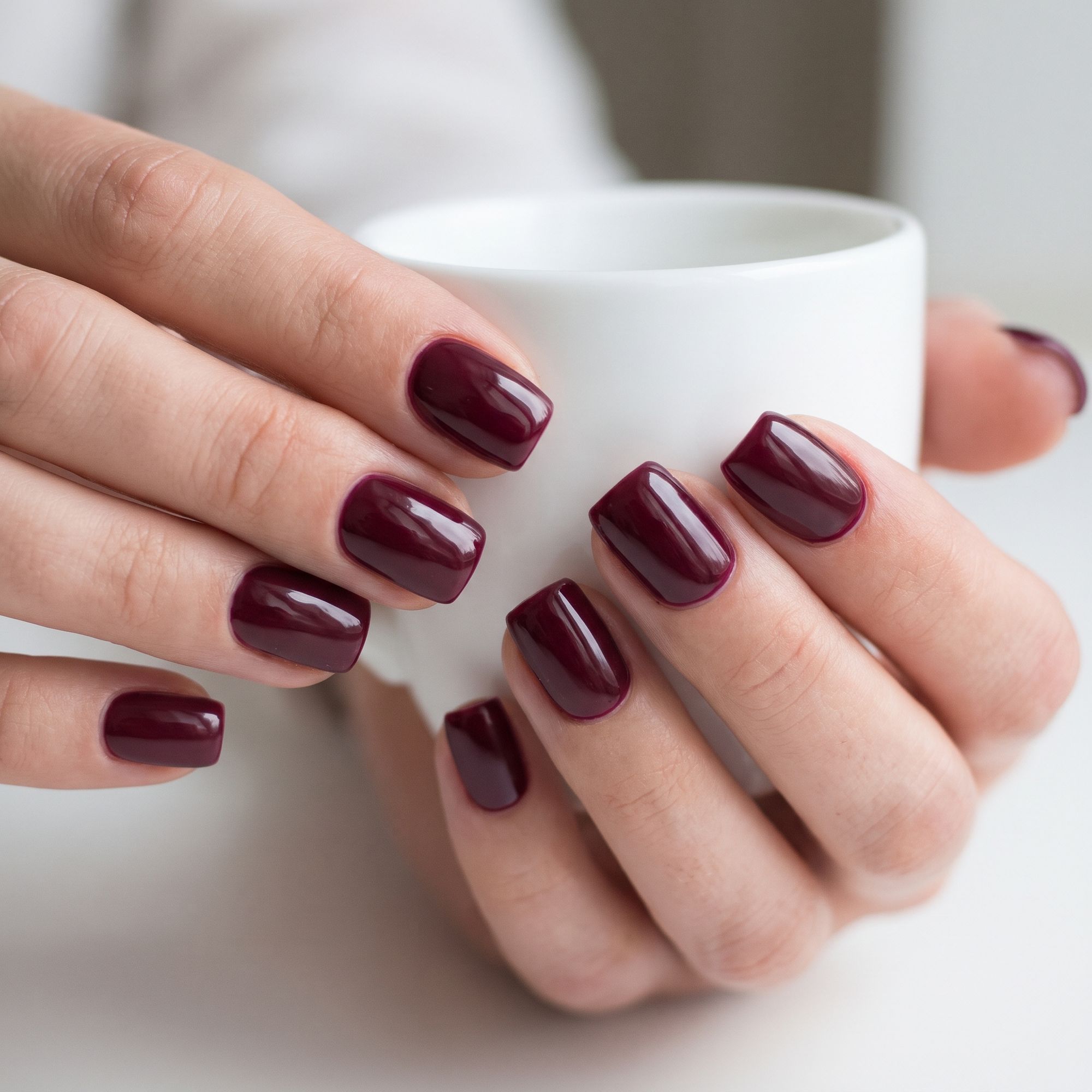
Claims run from about 3 weeks to 6, depending on who you ask. The staying power comes from the clean prep: gel applied to a very clean nail plate, close to the nail fold, has less chance of lifting. Your own nail growth and how rough you are on your hands make a real difference too.
So, is it safe?
Honestly, it depends, and people disagree.
Supporters say that with a properly trained technician, clean tools and a light touch, only dead tissue comes off and it shouldn't hurt. The dermatologists are more conservative. The skin around the nail and cuticle provide a barrier to bacteria and fungi. The Russian manicure is among social media beauty trends that the American Academy of Dermatology dubs “problematic,” for its safety concerns, and one dermatologist said it "just isn't supposed to be done in that way.
If you remove too much, you may be inviting the pain, swelling and redness of paronychia into your life. Repeated treatments also increase risk and infections can cause permanent changes to the nail, dermatologists say.
It can be both. It's not the e-file itself that's the danger. It has to do with the depth of the cuticle area and how often it is cut, and with how clean the tools are.
Be wary if the technician cuts into live skin or you see bleeding, if they strip the whole cuticle area aggressively, if the bits aren't sterilised or are reused without cleaning, or if they can't tell you about their training. If your skin is sore, swollen or red for more than a day or two afterwards, or you notice pus or spreading redness, see your GP.
Finding a good tech in the UK
There are a lot of people who search for "Russian manicure near me" and the difference in quality is massive. A few things help. Please ask for e-file training specifically as a general nail course is not the same. Check they're insured. Look at their portfolio for close-up photos of cuticle work, with no red or damaged skin. Consider hygiene: new or sterilised bits, clean towels, a clean station. Look at recent reviews, but not just focusing on the appearance of the nails, but also on the comfort and healing. And inquire what they take off. A careful tech will say only dead tissue.
For nail technicians, we could not find any one mandatory national licence; so the qualifications and insurance requirements of those providing these services are varied. This is why it is best to ask. If you are feeling daunted, do a trial before beginning a large nail art project.
Who should skip it
Talk to your GP first, or leave it, if you have eczema, psoriasis or broken skin around the nails, a current nail or skin infection, a condition that affects healing or immunity such as diabetes, or very sensitive skin.
Russian vs gel vs regular
| Russian manicure | Gel manicure | Regular manicure | |
|---|---|---|---|
| Prep | Dry, e-file | Usually dry or light push-back | Soak and push back |
| Cuticle work | Detailed, removes dead skin | Minimal | Pushed and trimmed |
| Time | Longest | Medium | Shortest |
| Lasting power | Often 3 to 6 weeks | 2 to 3 weeks typical | Polish lasts days |
| Skill needed | High | Medium | Basic |
| Cost | Highest | Medium | Lowest |
"Gel" is the polish. "Russian" is the prep. You can have one with the other, and many people do.
Trying it at home
We wouldn't. The tools are sharp or fast-spinning, and mistakes can mean real injuries and infection. If you like the clean look, go gentler: cuticle oil, a light push-back once the skin's soft, and leave the rest alone.
Frequently asked questions
What is a Russian manicure?
It's a dry manicure that uses an electric nail file to remove dead skin and cuticle around the nail, instead of soaking and clipping. It's meant to give very clean edges and help gel polish last longer.
How much is a Russian manicure in the UK?
One UK guide puts it at around £45 to £75, usually more than a standard gel manicure. Prices vary by city and technician.
Are Russian manicures safe?
They can be safe with a highly trained technician who only removes dead tissue and uses clean tools, but dermatologists warn that damaging the cuticle area raises the risk of infection such as paronychia.
Does a Russian manicure hurt?
It shouldn't. If it hurts, stings or bleeds, tell the technician to stop.
How long does a Russian manicure last?
Claims range from about 3 to 6 weeks depending on your nails, the gel used and how you look after your hands.
Is a Russian manicure the same as an e-file manicure?
Not exactly. A Russian manicure is a specific, detailed technique. Using an e-file doesn't automatically make a manicure "Russian".
Sources and further reading
- Personal Care Insights: American Academy of Dermatology on problematic beauty trends
- Today: A dermatologist on the one manicure she'd avoid
- Katie Barnes Academy: What is a Russian manicure and is it safe?
- TheNailWiki: Russian manicure vs traditional wet manicure
- Blys: What is a Russian manicure?
Keep reading on Domestic News
- Crackle nail polish: how to get the look
- Ear piercing names and healing times: another beauty choice where hygiene matters
- All nail guides | Editorial standards